01 / Software engineering
City assets in one system.
Controllers send readings. The platform shows assets on a map, connection status and event history. Dispatchers see anomalies and verify commands using fresh telemetry.
View the platformApplications
For city infrastructure, we build software, connect controllers and bring field data into one control system.
AI SEE / Engineering · Software
A controller receives commands and sends readings from a site. The platform shows its status and event history. We design that connection, build the software and align integrations with the customer’s equipment.
Controllers and sensors receive commands, measure conditions and send readings.
An asset map, connection status, events and command acknowledgements in one platform.
Measurement history and anomaly analysis help identify what to inspect first.
AI SEE capabilities
We design solutions for the city, develop software, connect equipment and deploy the system. After launch, we maintain it and support the customer’s team.
Controllers send readings. The platform shows assets on a map, connection status and event history. Dispatchers see anomalies and verify commands using fresh telemetry.
View the platformWe connect compatible controllers over MQTT and agree on telemetry and command formats. APIs link the platform with existing city systems.
View connectivityAI examines the history of voltage, current, power and energy use. It flags unusual behaviour and gives engineers a starting point for diagnostics.
View an exampleAll solutions
Build software around the customer’s workflows, from architecture and interfaces to equipment integration. After deployment, we support and develop the solution.
Discuss a projectBuild software around the customer’s workflows, from architecture and interfaces to equipment integration. After deployment, we support and develop the solution.
Discuss a projectApplications
Roads, buildings and public spaces call for different scenarios. We define the devices, connectivity and data each site needs in the shared system.
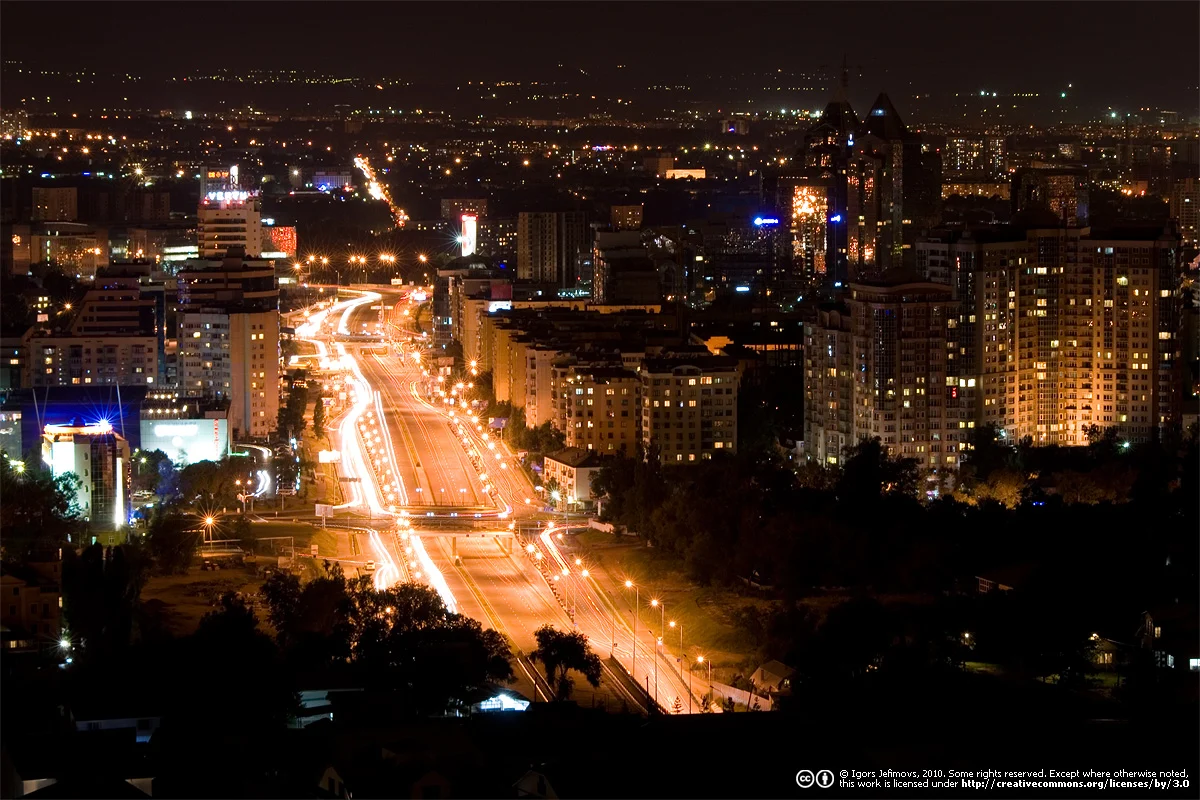
Route lighting, luminaire group control and network monitoring.
Almaty at night · application environments.
Igors Jefimovs · Wikimedia Commons · CC BY 3.0
File sizes optimized for the website.
Controller and system
Inside the pole, the controller operates the luminaire and collects measurements. It connects physical equipment to dispatchers and AI SEE analytics.
Luminaire ↔ controller. Switching and 0–10 V dimming. Schedules, astronomical clock and ambient-light control.
Controller ↔ platform. Voltage, current, power, energy use and alarms travel over 4G and MQTT. Control commands return with result confirmation.
Telemetry → AI → engineer. The platform forecasts consumption and potential spikes, detects deviations and helps prioritise inspections.
Example / Smart lighting
Adjust brightness, change conditions and explore lighting control.
Illustrative calculation: 150 W at 100% brightness, linear model.
Control scenarios for different environmental conditions.
03 / Telemetry
From observation to timely action.
Readings within the operating range
Signal → event → engineering task. The chart illustrates the anomaly response workflow.
04 / Analytics
The section uses 30 kWh per night. Measurement history shows how energy use changes.
Example: 20 luminaires at 150 W, operating for 10 hours.05 / From object to network
Individual devices come together in one monitoring and control system.
06 / Control center
Loading scene
AI SEE / Technology
We connect controllers, telemetry, control and maintenance. Understand equipment status, find faults and make data-informed decisions.
AI SEE / IoT
Connectivity is selected for site distances, device density and available infrastructure.
Zigbee connects nearby controllers in a local network. A gateway relays data to the platform; topology and node placement are defined during design.
Architecture options; compatibility is verified for each device, including protocols, frequencies and supported functions.
Smart facades
Architectural lighting controlled by time: from expressive evening illumination to a subtle night setting.
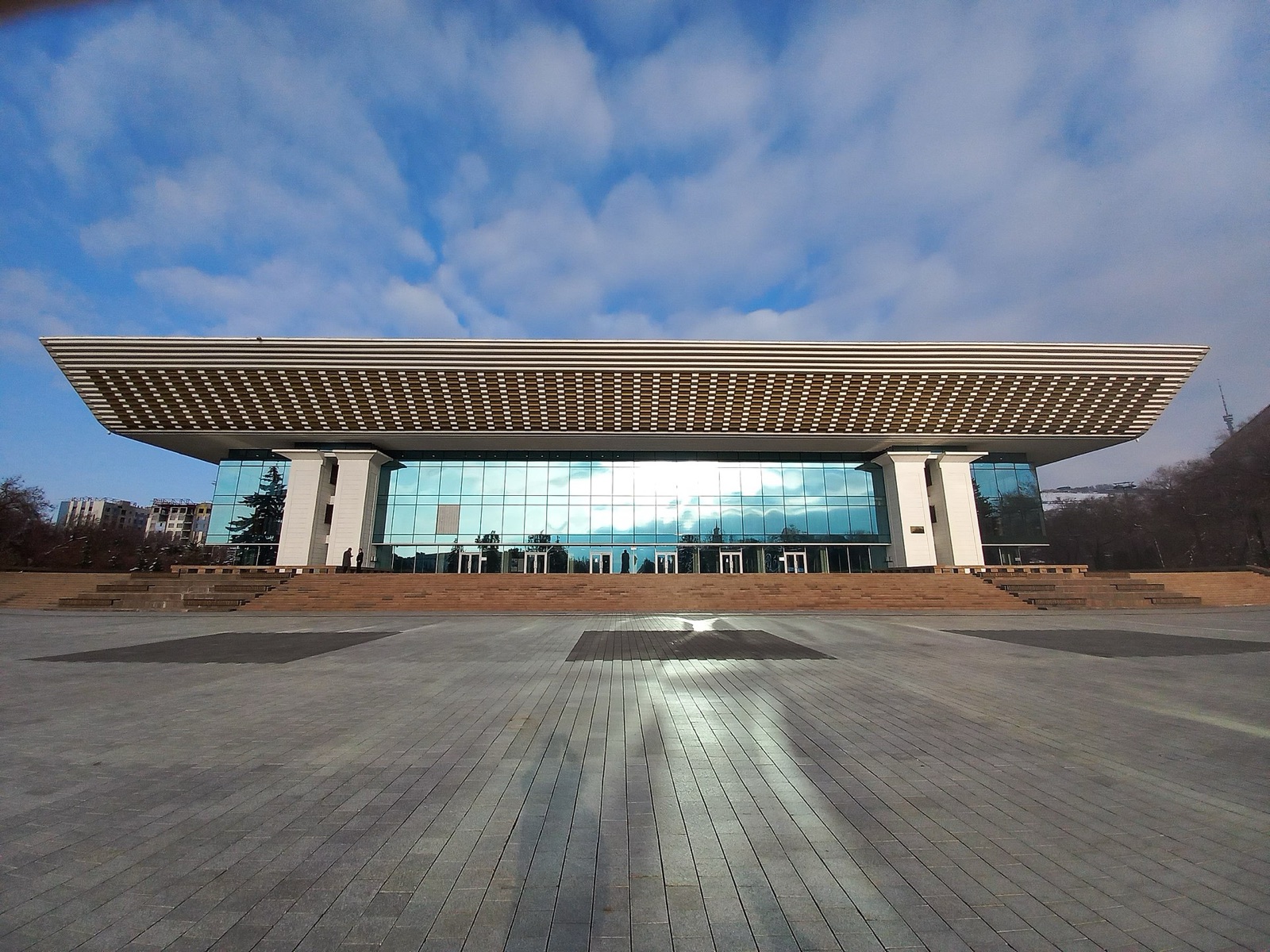 ALMATY / 01
Lighting turns on at sunset and gradually dims through the night schedule. At sunrise, the facade lighting switches off.
Example schedule. Select a period to see the facade brightness. Sunset and sunrise are calculated from the date and site coordinates; times and brightness levels are configured for each project.
Night-time dimming helps limit unwanted light entering windows and preserve a dark sleeping environment. Our design considers luminaire direction, shielding and facade brightness near homes.
CIE (2024): healthy young adults are advised to have much lower light exposure in the three hours before bed and near-darkness during sleep.
These recommendations concern light reaching the eyes. The 60%, 40% and 20% levels illustrate an engineering schedule, not medical thresholds; settings depend on site conditions and light entering windows.AI SEE equipment
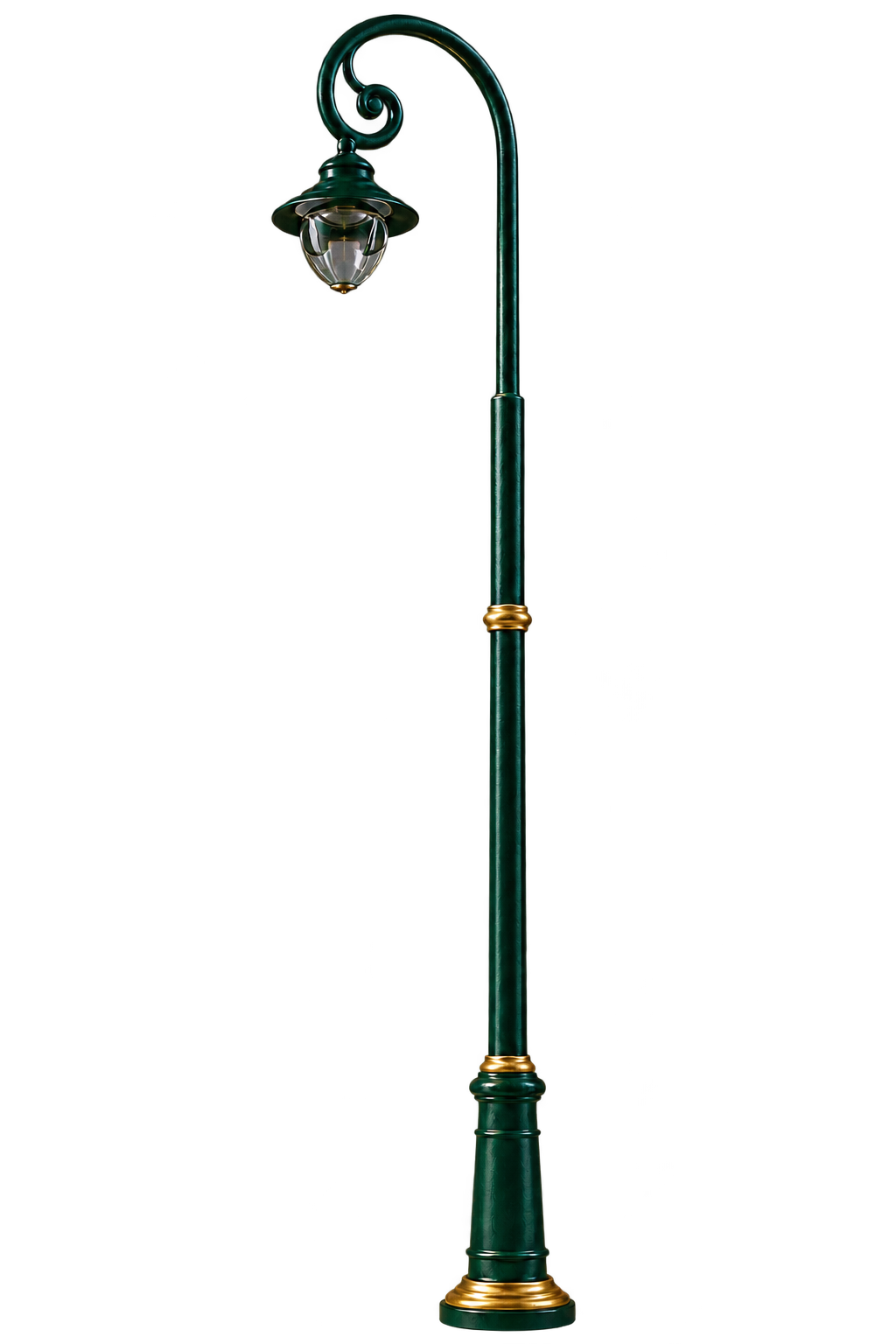
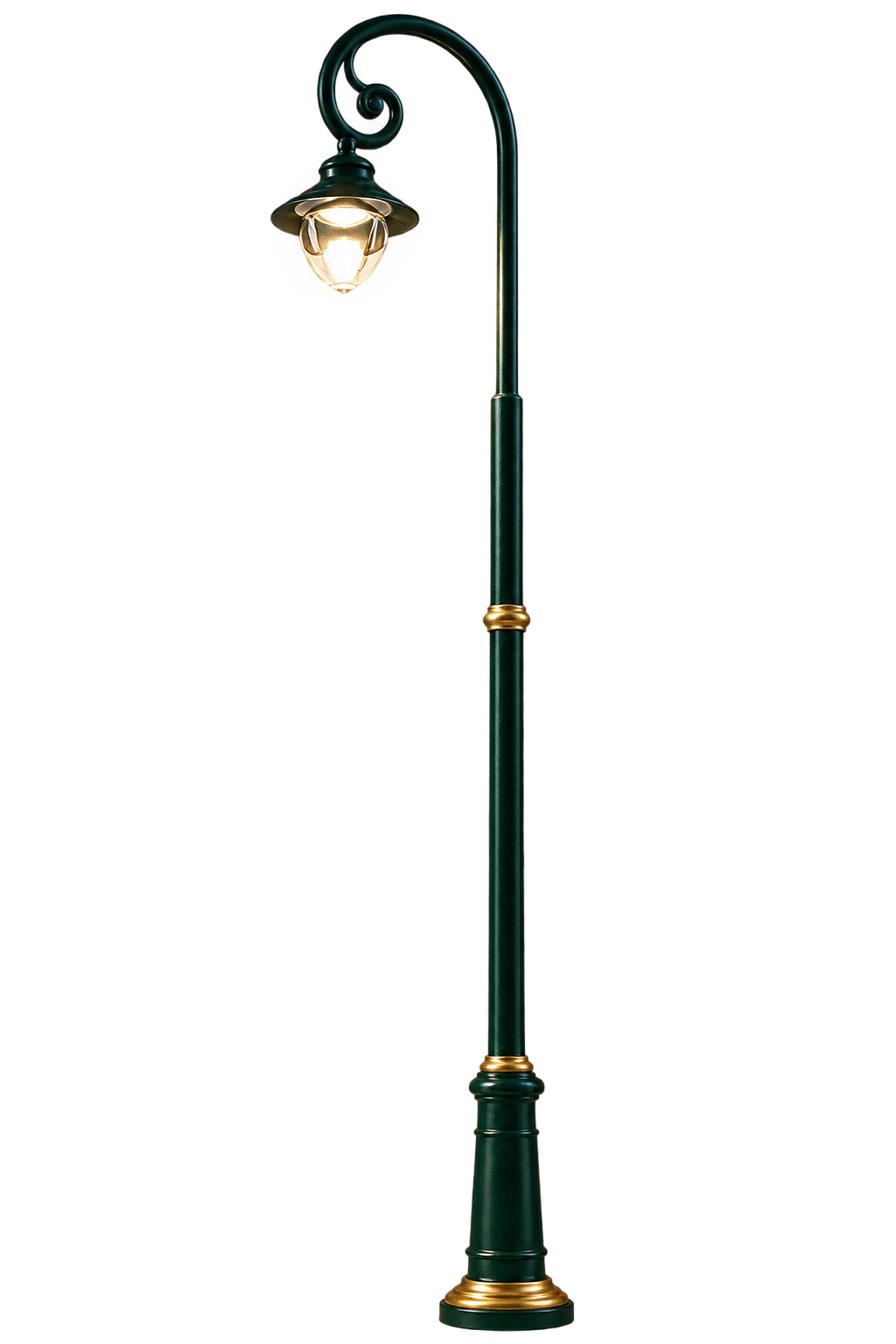
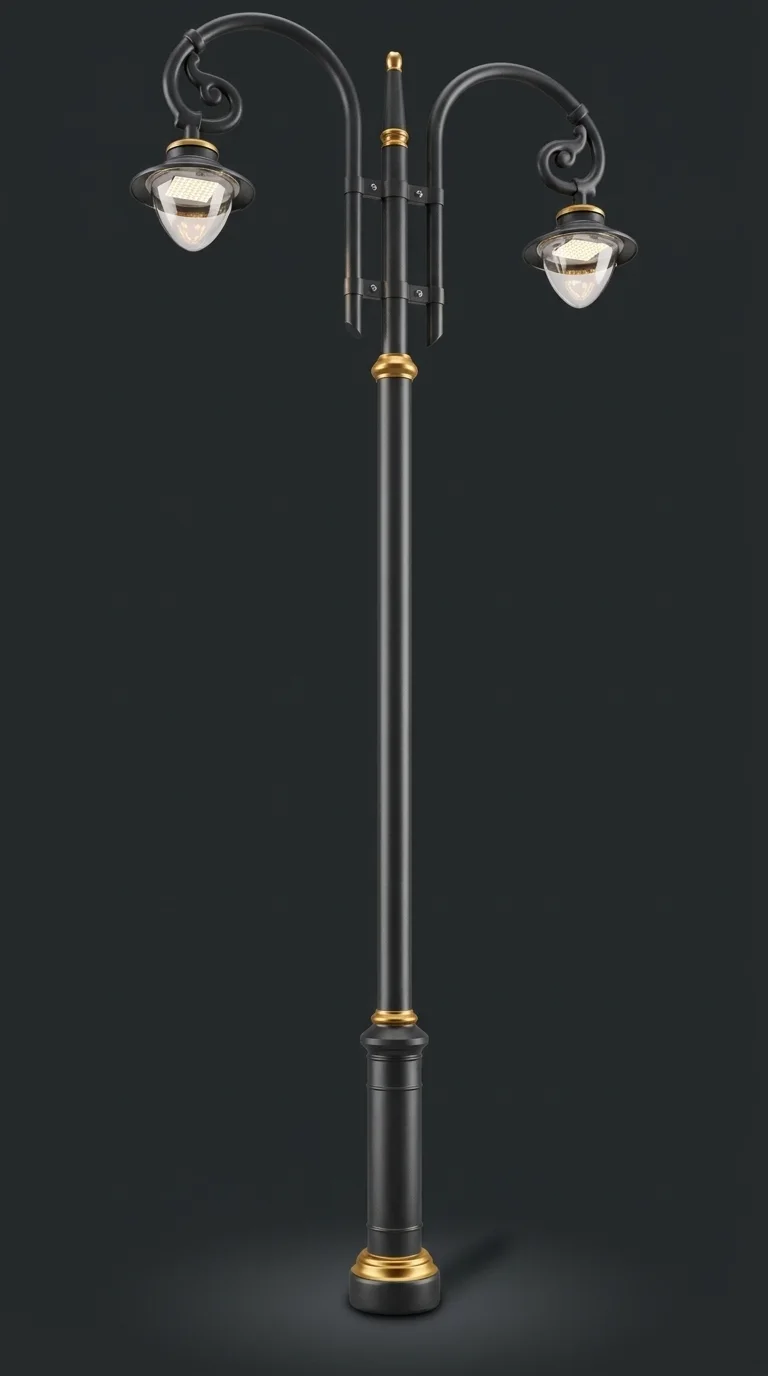
Poles, facade lighting and controllers for your sites. Equipment is selected for each project.
 01 / 03
Single- and twin-head models with decorative details. Colour and height are selected for the architecture.
08 / Company
AI SEE LLP
A Kazakhstan-based IT engineering company with experience delivering real projects. We develop software, implement engineering solutions and bring equipment together in managed systems.
Own software
Kazakhstan team
Data stays in Kazakhstan
Open API
Our own engineering and development team. R&D in Kazakhstan.
Turnkey delivery
We handle the complete delivery cycle: design, equipment selection and supply, installation, commissioning and handover. After launch, we provide technical maintenance and system support.